
Dental Implants · Patient guide · Approximately 8-minute read
Dental Implants: Practical Guidance for Lucknow Patients
Considering a dental implant can bring up practical questions: am I suitable, what happens at a consultation, and what alternatives should I consider? This guide helps Gomti Nagar and Lucknow readers prepare for an informed conversation with a qualified dental professional. It is general information, not personal medical advice.
Patient-first note: Sai Specialized Dental Hospital is mentioned as local context in Gomti Nagar, Lucknow. Individual assessment is essential; no online guide can determine suitability or predict an outcome.
Dental implants, in plain language
A dental implant is a small post placed in the jawbone to support a replacement tooth. After healing and integration with bone, it can support a connector and a crown. For multiple missing teeth, implants may support a bridge or another planned restoration. The exact design depends on the number and position of missing teeth, bite, gum health, available bone and overall treatment goals.
An implant is not the visible tooth itself. It is one part of a system: the implant fixture, the connecting component and the replacement tooth. Each part needs planning, maintenance and review. An implant may be considered when a tooth is missing or cannot be predictably restored, but it is not automatically the best choice for every person or every gap.
At a glance: questions that shape the plan
Suitability is individual
Assessment considers oral health, medical history, gum condition, bone anatomy, smoking and ability to maintain follow-up. No single checklist replaces examination.
Alternatives matter
Ask about a bridge, removable partial denture, repair or monitoring where appropriate.
Plan spans stages
Evaluation, any preparatory care, placement if chosen, healing, restoration and continuing maintenance. Sequence and timing vary.
Aftercare is ongoing
Daily cleaning and professional review remain important after the replacement tooth is fitted.
Why an in-person assessment comes first
Implant planning needs more than a photograph or a description of the missing tooth. A clinician may examine teeth, gums, bite and the proposed site, review medical and dental history, and use imaging when clinically appropriate. Imaging helps evaluate anatomy and bone; the clinician explains which investigation is useful and why.
Factors that can affect planning include untreated gum disease, active infection, bone quantity and shape, the location of nerves or sinus spaces, and how the teeth meet when chewing. Health conditions, medicines, tobacco use and previous treatment may also influence healing or risk. These factors do not mean a person is automatically excluded. They mean the dental professional needs enough information to discuss safe, realistic options and any preparation needed.
Bring an up-to-date medicines list, relevant medical details and any previous dental records or scans you have. Mention allergies, past complications, tobacco use and concerns about anxiety or comfort. Be open about health changes; accurate information helps the team plan responsibly.
Make dental implant consultation useful
A good dental implant consultation is a discussion, not a commitment to proceed. Ask the clinician to explain findings in plain language and how they apply to your particular tooth or teeth. If something is unclear, ask for it to be repeated or shown on the examination findings or images where possible.
01 · Clarify diagnosis
What is causing the tooth loss or concern? Is there active infection or gum disease to address first? What does the examination show?
02 · Review options
Could a bridge, removable denture, another restoration, or no immediate replacement be reasonable? What are benefits, limits and maintenance needs for each?
03 · Understand stages
What preparatory care might be needed? Which clinician handles each stage? What healing and review visits are anticipated, and what could alter the sequence?
04 · Agree next step
Ask for a written plan, alternatives, expected review schedule, likely maintenance and the process for contacting the practice with concerns.
Also ask about potential complications relevant to your anatomy and health, how discomfort is managed, and what signs after treatment should prompt a call. Ask who to contact if the plan or symptoms change. If you need time to decide, say so. An informed decision should not depend on pressure or an assumed guarantee.
Broad stages: plan before predicting timing
Every case differs, so a responsible discussion avoids promising a fixed schedule or result before examination. Broadly, care may include assessment and planning; treatment of active dental or gum problems; implant placement if selected; a healing period; fitting the planned restoration; and maintenance reviews. Some patients need additional procedures or a different sequence. The clinician should explain the reason for each step, alternatives and what could affect timing.
Ask what happens between stages, whether a temporary replacement is appropriate, and what eating, cleaning or activity guidance applies to your plan. Healing and integration cannot be judged from a generic calendar alone. Attend the reviews recommended by your clinician, even if the area feels comfortable.
| Option | What to discuss | Maintenance and trade-offs |
|---|---|---|
| Implant-supported tooth | Site anatomy, health factors, stages, restoration design and risks for your case. | Needs careful home cleaning and professional follow-up; treatment involves surgery and healing. |
| Tooth-supported bridge | Condition and suitability of neighbouring teeth; how the restoration is supported. | Cleaning beneath the bridge needs instruction; consider effects on supporting teeth. |
| Removable partial denture | Fit, comfort, appearance, speech and suitability for the number and position of missing teeth. | Removable for cleaning; fit and care may need review over time. |
| No immediate replacement or monitoring | Whether monitoring is appropriate and how the gap may affect function or other teeth. | Requires a clinician-led review plan; suitability depends on your situation. |
These are discussion prompts, not a ranking. A clinician can explain which options are feasible and how they fit your priorities, oral health and budget. Ask for benefits and disadvantages of the options that apply to you, including what happens if you delay treatment.
Risks, comfort and realistic expectations
Implant treatment involves a surgical procedure when an implant is placed. Risks and recovery differ by person and site. Ask the clinician to explain the risks that apply to your health and anatomy, what measures reduce them, and how complications would be assessed and managed. Do not rely on a universal success percentage or promise as a substitute for individual information.
Discuss comfort and anxiety before treatment. Ask what anaesthesia or other comfort measures are planned, what you may feel during recovery, which instructions apply to you, and how to reach the practice if pain, swelling or another concern is more than expected. Follow clinician-provided instructions rather than general internet advice. Seek urgent medical or dental help for severe or rapidly worsening symptoms, significant bleeding, or trouble breathing or swallowing.
Maintenance and follow-up protect your investment
An implant-supported restoration still needs routine care. Brush carefully around the gumline and implant restoration, clean between teeth and around accessible surfaces using tools recommended by your dental team, and attend scheduled dental and hygiene reviews. Ask the clinician to demonstrate the method for your specific restoration; bridges and implant crowns can have different cleaning access.
Report persistent bleeding, tenderness, swelling, a change in bite, looseness or difficulty cleaning. These symptoms need professional evaluation; they cannot be diagnosed reliably from a webpage. Do not wait for a routine visit if symptoms are worsening. Your team can check the implant area, surrounding gums and restoration, then advise whether adjustment, treatment or monitoring is needed.
Follow-up does not end when a crown is fitted. Agree on a review schedule with your treating clinician, and tell them about changes in your health or medicines. Good maintenance supports early identification of problems, but cannot guarantee any particular long-term outcome.
Local guidance for Gomti Nagar and Lucknow
For readers in Gomti Nagar, Sai Specialized Dental Hospital is a local point of context for seeking a professional discussion. Contact a qualified dental professional to ask how an assessment is arranged, what records to bring and whether the service can evaluate your specific concern. This article does not verify individual clinician credentials, availability, fees, treatment methods or outcomes.
If you are comparing providers in Lucknow, ask who will assess and plan treatment, who will perform each stage, how imaging and follow-up are arranged, and how urgent concerns are handled. Request a clear written treatment plan before deciding. You may seek another professional opinion if you want clarification or comparison.
Dental implant questions patients often ask
Does a missing tooth mean I need an implant?
No. An implant is one option, not an automatic requirement. A clinician should assess the gap, nearby teeth, oral health, function and your preferences, then explain suitable alternatives and the implications of waiting.
Can a dental implant consultation tell me exactly how long treatment takes?
Consultation can outline a proposed sequence and factors that influence it, but timing depends on examination findings, healing and any additional care. Ask the clinician what is known now and what may change the schedule.
What should I bring to my consultation?
Bring a list of medicines and relevant health conditions, details of allergies or previous complications, and any dental records or imaging you have. Share your priorities and questions, including concerns about comfort and follow-up.
How should I clean an implant restoration?
Brush and clean around it daily, using tools and technique demonstrated by your dental team for your specific restoration. Attend recommended reviews and contact a professional about persistent bleeding, swelling, tenderness or movement.
Is this article a diagnosis or personal treatment recommendation?
No. It provides general educational information only. A qualified dental professional must evaluate your individual health and oral findings before recommending care.
A thoughtful next step
Start with questions, not assumptions
If you have a missing tooth, discomfort, a loose restoration or concerns about a gap, arrange an evaluation with a qualified dental professional. Ask for an explanation of findings, all reasonable alternatives, likely stages and follow-up before making a decision.
For local context, patients in Gomti Nagar, Lucknow may contact Sai Specialized Dental Hospital to ask about arranging a dental implant consultation. Confirm appointment details directly with the practice.
Related reading

Digital Dental X-Ray: Questions to Ask Your Dentist
Learn what digital dental X-rays can help evaluate, why imaging may be suggested, and practical questions Gomti Nagar patients can ask their dentist.
Read article: Digital Dental X-Ray: Questions to Ask Your Dentist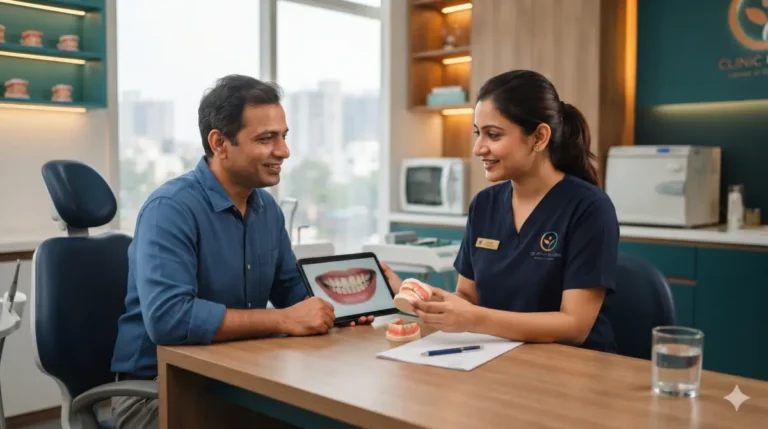
Aesthetic Dentistry Consultation: Questions to Ask
Exploring aesthetic dentistry in Gomti Nagar? Use these practical questions to discuss goals, oral health, options, risks, upkeep and costs with your dentist.
Read article: Aesthetic Dentistry Consultation: Questions to Ask
Oral Surgery Consultation: Questions to Ask Your Dentist
Preparing for oral surgery consultation in Lucknow? Use this dentist question checklist to discuss purpose, alternatives, preparation, follow-up, recovery and concerns.
Read article: Oral Surgery Consultation: Questions to Ask Your Dentist6 articles available.
Load more articles